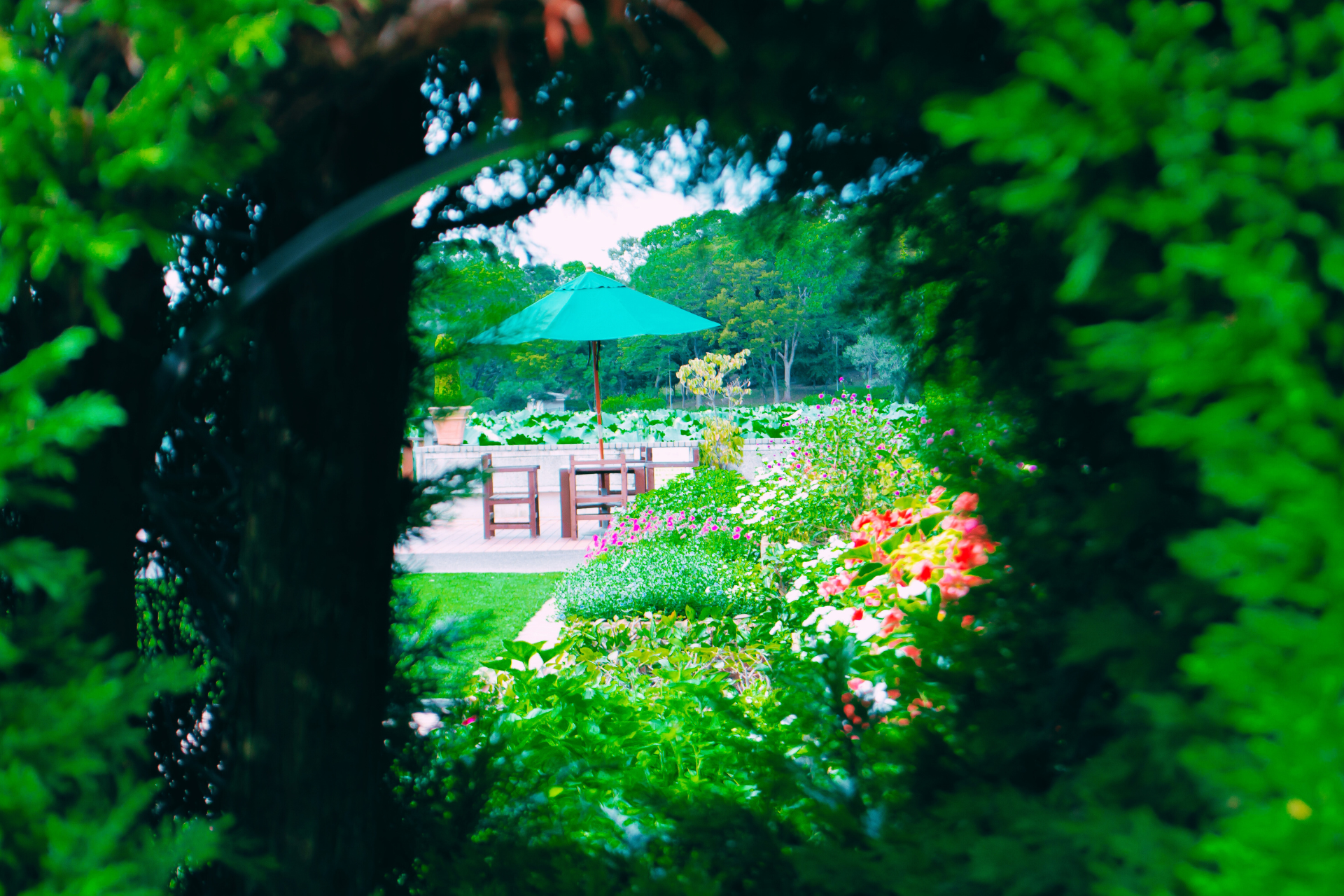
Landscaping is an art form that enables gardeners and professionals to bring their clients’ or their own visions to life. However, it’s essential to be methodical, which involves understanding the underlying rules. Without understanding those, you run the risk of making costly landscaping mistakes.
The Cost of Making Landscaping Mistakes
Landscaping mistakes can have a variety of repercussions. Firstly, they can create aesthetic problems that detract from curb appeal. There is no guarantee that you can restore the landscape’s appearance flawlessly to its original state, which can impact property value.
When it is possible to rectify landscaping mistakes, they can create new issues, including additional funds, materials, skilled labor and time spent planning. There’s also the potential for delays. Landscaping typically takes anywhere from two days to six weeks, depending on the project’s complexity and scale.
Common Landscaping Mistakes to Avoid
Even experienced landscapers should be aware of the landscaping mistakes they can make at various stages of the project to prevent them from happening in the first place.
1. Miscalculating the Budget
One of the first costly mistakes happens early on in the budgeting phase. Landscaping — including outdoor structures, driveways and cleanup — amounts to an average of $27,710 in single-family homes. The total amount may vary depending on whether the space is a multifamily home or a commercial property.
Other factors that can increase the price include the complexity of the landscaping design and the project timeline. Landscaping professionals should be realistic when providing a quote. As a general rule, it’s crucial to have a buffer in the budget to account for any unforeseen expenses.
2. Forgoing Site Analysis
Site analysis in landscaping is critical. It helps you recognize the property’s existing conditions and build the best foundation for the landscaping vision. Skipping this stage can lead to numerous misunderstandings between professionals and clients and poor execution.
Conduct a thorough site analysis, preferably even before the design stage starts. Collect nuanced information by testing soil pH levels and compositions to understand which plants will thrive in the environment.
3. Mismanaging the Design
Unfortunately, many people make landscape design mistakes, from mismatching materials to overlooking the maintenance requirements associated with certain choices. It’s vital to have a strategic approach to design.
For example, you need to keep the scale and proportions right. Modular edible gardens are ideal for suburban backyards since they can reduce transportation emissions and reliance on single-use plastic packaging. However, if you’re implementing one for a smaller urban space, you need to adjust the design according to the available square footage.
4. Implementing Inefficient Water Management
Water management mistakes are common, especially when implementing an irrigation system. Be mindful of the settings and potential design flaws. You can group plants with similar water needs in the same irrigation zone to simplify your system.
Solutions like a rain garden installation can also help with water management. However, you must consider their intricacies, such as designing the catchments to drain within 24 hours to avoid constant ground saturation.

5. Using Short-Lived Trends
Aim for timeless landscaping rather than fleeting trends. If using trends, integrate them thoughtfully. For example, outdoor modular kitchens gained popularity due to their ability to simplify hosting outdoor parties.
However, food can attract more insects than usual and pester guests. Landscapers should consider this in advance and implement preventive strategies, such as incorporating pest-resistant materials and installing smart lighting.
6. Picking the Wrong Plants
It’s understandable to want specific plant species in the garden. However, it’s not worth getting them if you know that they can’t adapt to local soils and climates. Use native plants that are built to thrive in your area.
You should also be strategic about the plant’s sun exposure and water needs. Low-maintenance plants can make upkeep easier, so consider options that require less shade and less frequent watering.
Steer Clear of Errors When Landscaping
Many landscapers consider DIY landscaping mistakes as the types of oversights that can occur during a project. However, there can be several other blunders that can happen even to the most experienced professionals if they aren’t careful. Recognize and avoid these predicaments to keep landscapes lush.
Leave a Reply