Greening urban spaces is practical, sustainable and increasingly vital for the health of the environment. With shrinking square footage and dense infrastructure, small apartments often feel like the last frontier for biophilic design. However, whether you’re designing a rooftop oasis or adding edible plants to your balcony, there are endless ways to bring nature into compact environments.
Discover smart strategies, materials, and real-life examples to help you create an ecologically and aesthetically appealing space.
1. Redefine Urban Spaces With Vertical Landscaping
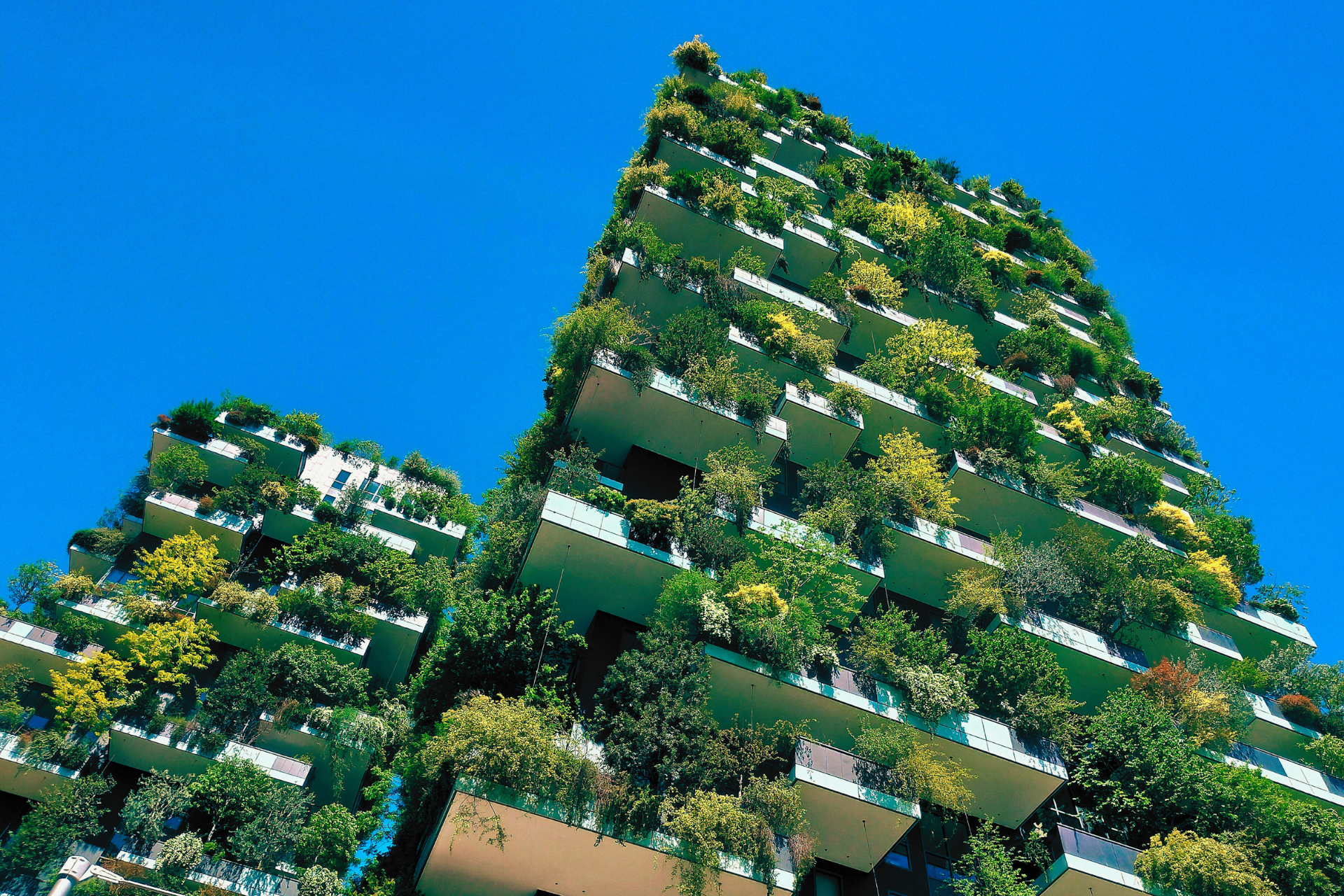
One of the most efficient ways to incorporate greenery in confined quarters is by exploring vertical space. Living walls — also known as green walls — use hydroponic systems or modular soil setups to grow plants on facades, balconies or interior walls. You can grow purely decorative plants or your own herbs.
A notable example of vertical landscaping, Milan’s Bosco Verticale — designed by architect Stefano Boeri — are vertical green-living residential towers that resemble forests in the sky. These twin residential towers host 800 trees and more than 20,000 plants, turning high-rise apartments into lush micro-ecosystems that absorb CO2 and dust. These plants also act as a noise barrier — much like highway trees, which create a 10%-24% reduction in sound pollution.
2. Create Modular Edible Gardens
Edible landscaping isn’t just for suburban backyards. Compact raised beds and stackable planters can transform balconies or shared rooftops into thriving mini-farms.
Edible gardens reduce transportation emissions and single-use plastic packaging. They also connect residents to seasonal rhythms. In Tokyo, the Pasona Urban Farm integrates vegetables, rice, fruit and 200 plant species into office interiors and facades, a model easily adapted to multi-use apartment buildings.
3. Choose Native and Climate-Adapted Plants
Resilience beats novelty when greening urban spaces. Choose species adapted to local conditions. Native plants typically require less water, resist pests better and support biodiversity, including pollinators like bees and butterflies. In dry climates, xeriscaping techniques — using drought-tolerant succulents and gravel mulch — offer beauty without straining resources.
Apartment complexes that replace thirsty lawns with native plants can enjoy thriving low-maintenance urban green spaces year-round.
4. Go Green on the Roof
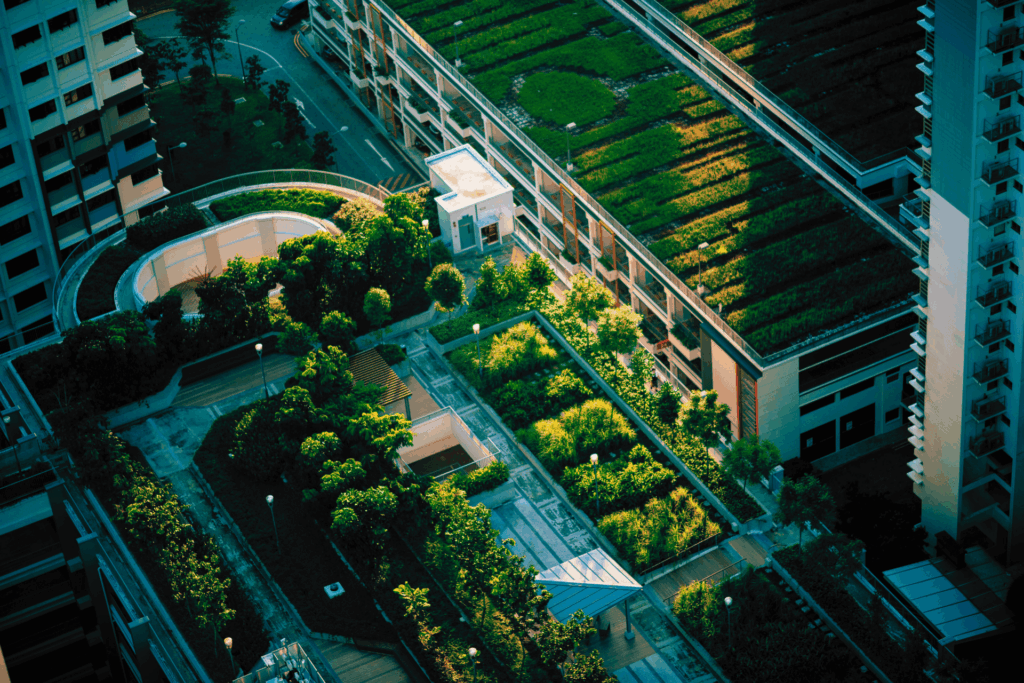
The sky’s not the limit — it’s the starting point. Many apartments feature underutilized flat roofs. Intensive and semi-intensive green roofs can support everything from wildflower meadows to vegetable beds. Besides aesthetics, they insulate buildings, reduce runoff and increase habitats for urban wildlife. Rooftop gardens also reduce up to 70% of the energy consumption from heating and cooling for real-world cost savings.
A strong case study is the Brooklyn Grange in New York. This commercial rooftop farm — producing 80,000 pounds of organic harvests — spans several acres and multiple buildings. While not a residential project, it proves how rooftops can host lush, productive ecosystems in the heart of the city.
5. Bring the Outside In
Biophilic design isn’t just about plants — it’s about light, air, texture and flow. Maximize daylight with large windows or solar tubes, incorporate natural materials like wood and stone, and use indoor planters or moss walls to soften concrete-heavy interiors.
Passive ventilation and natural cooling strategies also improve both air quality and energy efficiency.
6. Use Reclaimed and Sustainable Hardscaping
When creating pathways, patios or balcony flooring, opt for permeable pavers, reclaimed wood or recycled composites. These choices help reduce heat islands and improve stormwater management.
Consider lightweight options for apartment use — modular decking systems made from recycled plastic or bamboo are both eco-friendly and installation-friendly, especially for renters.
7. Prioritize Water Efficiency
Micro-irrigation systems — like drip emitters and self-watering planters — can drastically reduce wasted water, especially in container gardens. Collecting graywater or rainwater from rooftops for reuse is another powerful tactic, even on a small scale. A rain garden can help absorb excess rain and prevent flooding in areas with high rainfall.
Singapore’s Kampung Admiralty incorporates rain gardens and bioswales throughout its landscaping. These structures capture water while creating the types of urban green spaces that double as aesthetic features for the seniors living there.
8. Make Shared Courtyards Work Harder
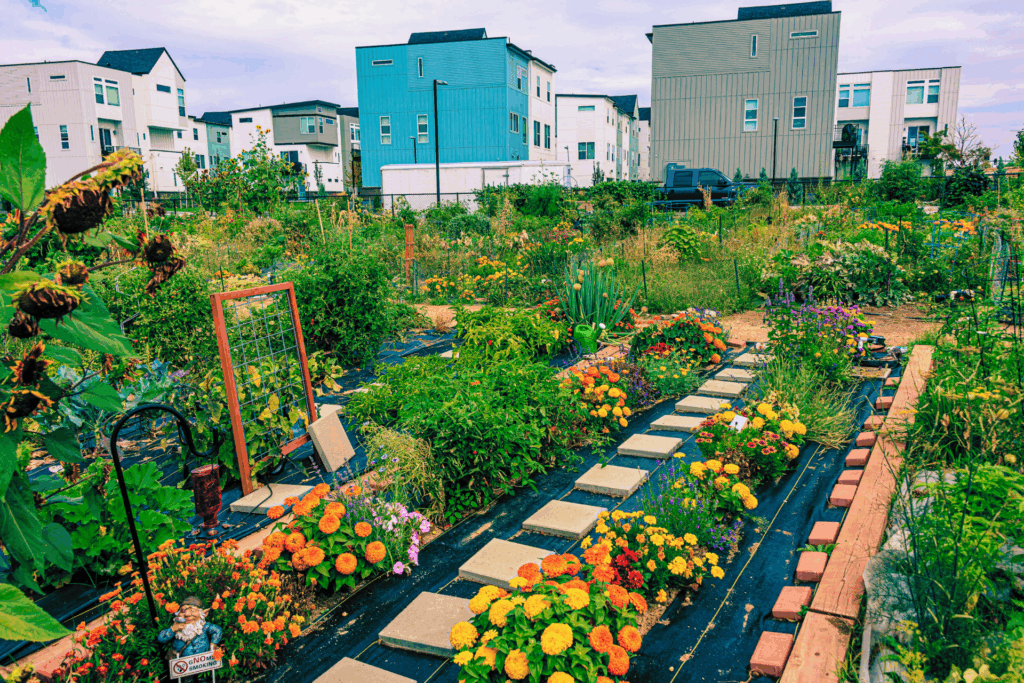
Collaboration is a key design principle in multi-unit buildings. Courtyards can serve as shared garden plots, pollinator sanctuaries or outdoor classrooms. Landscape architects can turn underused breezeways and carports into shaded seating areas and vertical community gardens.
When designed with intention, these areas become nodes of interaction, strengthening the community while maximizing ecological function.
9. Light It Right
Using low-voltage LED systems, solar lanterns and motion-activated lighting helps create an ambience without draining energy. Landscape lighting is about safety and usability. LED lights support DarkSky programs that ensure cities protect nocturnal habitats by minimizing light pollution.
10. Install Smart Sensors for Low-Impact Maintenance
Let tech do the heavy lifting with sensors that monitor soil moisture, sunlight levels and temperature to automate irrigation and care routines. These systems reduce the need for human maintenance efforts and conserve resources.
Sensors paired with mobile apps let residents control garden environments from anywhere. You can even consider open-source gardening tools like monitoring bots that automate everything from lighting to watering.
A Growing Movement for Sustainable Cities
Designing natural urban spaces for apartments isn’t about copying suburban landscaping at scale — it’s about reimagining what green looks like when space is tight. The future of apartment living will rely on flexible, climate-conscious solutions that transform urban spaces into ecosystems — one planter box, rooftop garden and biophilic hallway at a time.
Leave a Reply