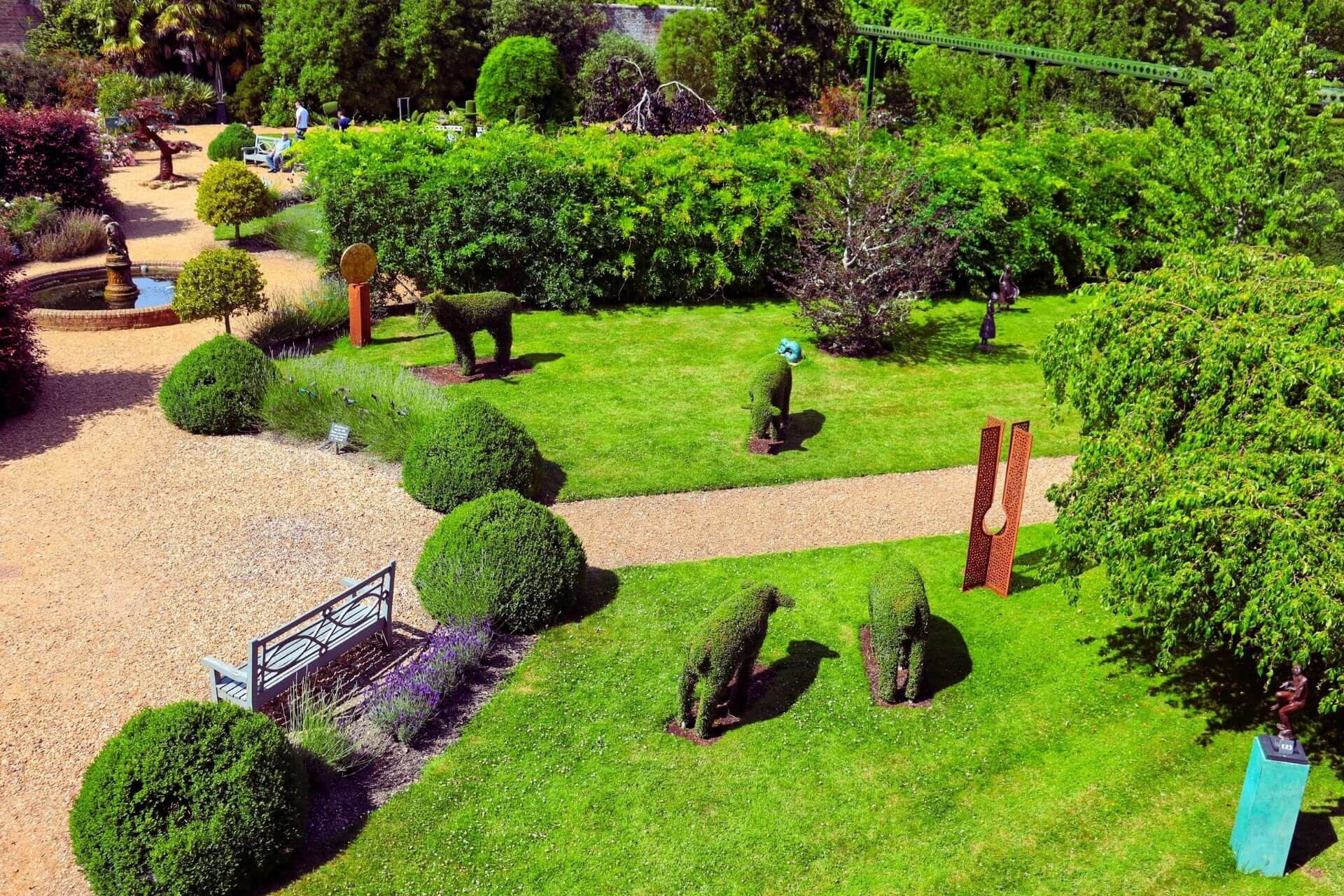
Pest prevention is imperative to sustainable landscaping. No homeowner likes to see a formerly beautiful yard munched into bits by pesky insects. The goal is to manage populations without relying on excessive chemical use that leaches onto plants and soil. As a preventive measure, cultural controls offer a more eco-friendly approach by adjusting the landscape environment to make it less hospitable for insect nuisances.
Here are the best pest prevention methods that anticipate pesky problems, helping homeowners reduce chemical control of pests while still maintaining a lovely garden all year round.
1. Optimize Planting Strategies to Disrupt Pests
How and when you plant can impact pests’ proliferation in a garden. Making practical changes to your planting patterns can reduce potential insect populations.
Adjust Planting Density and Arrangement
Dense planting lessens the contrast that draws migratory insects by minimizing open areas where pests might flourish. This technique is invaluable in sustainable garden design and edible landscaping, where various plant species combine to repel those nuisances naturally.
Crop Rotation and Companion Planting
Seasonally rotating plant varieties will prevent pests from establishing long-term populations in a single area. Integrating plants such as sage, basil and lavender into garden designs can naturally repel harmful insects and please clients with their vibrant hues and pleasant scents.
Companion planting also supports the biological control of insects by attracting beneficial predators like ladybugs and lacewings. The “three sisters” planting method is one such example. It includes growing corn, beans and squash together in an arrangement that benefits each other as they flourish in close proximity.
Timing Planting to Outpace Pests
Planting crops and ornamentals outside peak pest activity periods can help reduce damage. For example, early-season planting in hardscaping-adjacent gardens can establish robust root systems before widespread pest infestations occur.
Timed plantings help avoid the peak season of insect infestations. For example, early squash should be well-matured before pickle worms arrive. Borers lay eggs in late June through early July, so plant squash seeds or seedlings as early as possible. You can also plant sweet corn early and harvest it before mid-July to avoid corn earworms.
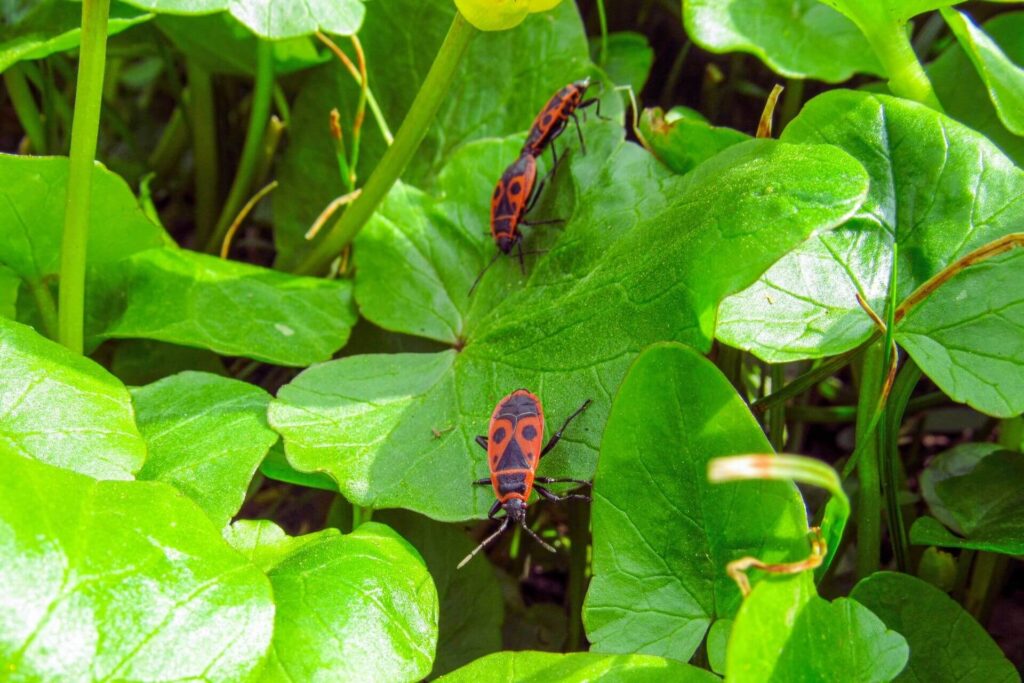
2. Modify the Landscape to Limit Pest Habitats
Maintaining the surrounding area also benefits your plants, as it reduces pest habitats and disrupts potential overwintering bugs.
Sanitation and Debris Management
Pests love to hide in places other aside from live plants. They’re also in the crop and organic matter, having a field day with the nutrients. Eliminating pest-friendly environments is crucial for pest prevention.
Removing crop residue, pruning diseased plants and keeping hardscaped areas free of decaying organic matter reduce insect breeding grounds. It distances them from potential nutrient sources, making it easier to destroy populations. Make sure to wait until the end of the summer to prune unless infestations have gone wild and threaten to kill affected plants. Clients will not appreciate a wildly messy yard with stray prunings and crop residue. Removing these will prevent insect infestations and improve garden aesthetics.
Strategic Tillage for Pest Disruption
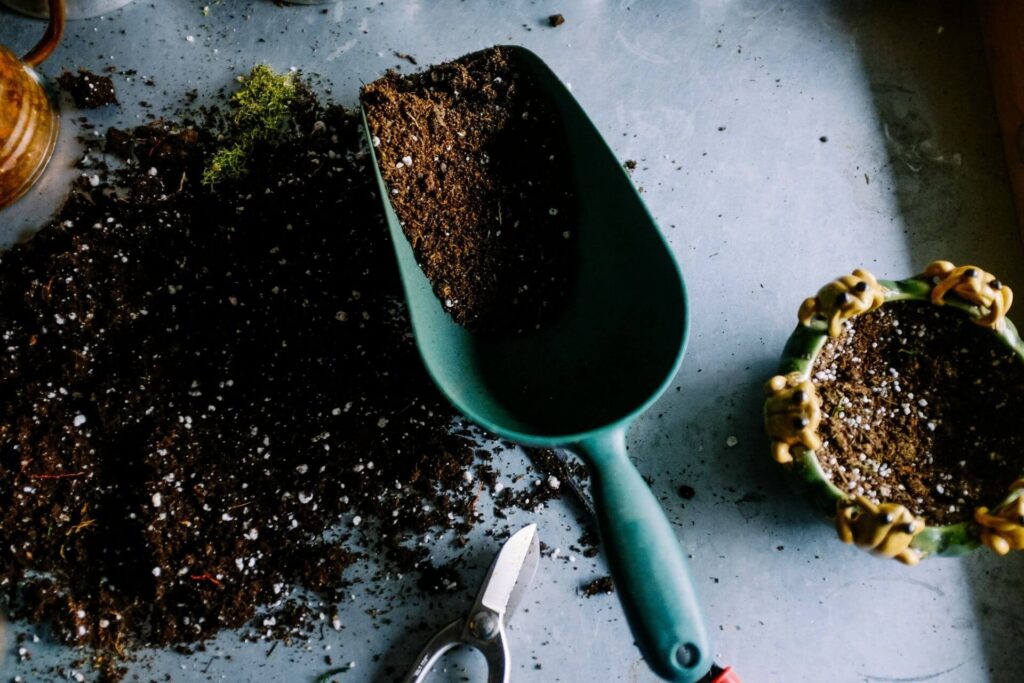
Tilling the soil goes beyond ensuring soil structure. Turning over dirt exposes bugs to harsh environmental conditions, disrupting their life cycle and removing the residues they need to survive. The transitional periods of early spring and fall are the best seasons to till the soil to control insect populations.
However, be sure to balance this practice with erosion control, particularly in xeriscaping and native plant landscapes where minimal soil disturbance is preferable.
Managing Non-Crop Habitat
Field edges, hedgerows and ornamental grasses are double-edged swords — they can harbor pests or support beneficial insect populations. Carefully select and maintain these areas to create buffer zones that enhance biological pest control without introducing new risks.
3. Divert Pests Away From Landscape Features
While some pests are persistent at hanging around your yard, plant diversions make them less likely to target the more beneficial and edible plants in the garden.
Trap Cropping for Pest Redirection
Trap cropping involves planting a pest-preferred species near high-value plants to attract insects away. This technique works well in edible landscaping, where sacrificial plants like nasturtiums can protect vegetables and herbs.
Not all insects will gravitate toward the same trap crops. For example, marigolds and basil are best as border traps to protect garlic from thrips. You can also keep hornworms away from tomatoes by interplanting dill and lovage. How much you plant depends on which bug you need to deter, but a ratio of not more than 20% to the primary crop is a good rule of thumb.
Strip Harvesting for Pest Containment
Sectioned harvesting of ornamental grasses or spaced mowing are examples of gradual harvesting techniques used in larger landscape designs. These techniques help keep pests contained and prevent them from spreading over the entire property.
Because it preserves some insect habitats, this method is helpful for harvesting a trap crop. It prevents pests from finding new homes in nearby valuable crops.
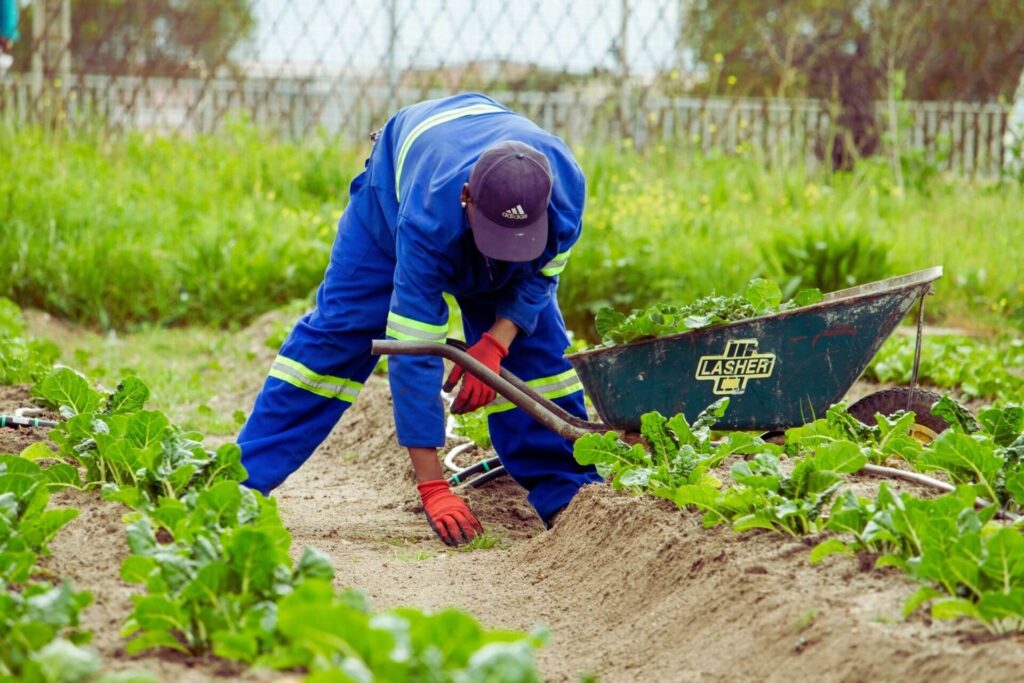
4. Enhance Plant Resilience Against Pest Damage
Along with those measures, planting resilient plants also ensures less damage from pests. Source plants that resist their natural enemies for a simple way to reduce infestations. Native plants, which are well-adapted to local climates, often exhibit built-in defenses against regional pests, making them ideal choices for sustainable landscaping projects.
Soil Health and Proper Irrigation
Healthy soil supports robust plant growth, making plants more impervious to infestation damage. Composting, mulching and proper irrigation techniques, such as drip irrigation in xeriscaping, ensure plants receive the necessary nutrients while minimizing conditions that attract insects.
Healthier soils also harbor more diverse and active populations of soil organisms that compete with, disrupt and eventually suppress soil-borne pests.
Cultivating Pest-Free Landscapes Naturally
Cultural control creates a healthier environment for clients who prefer a more sustainable approach to pest prevention. It also positions you as an expert in natural alternatives to pest control and significantly boosts your integrity with the environment you design and maintain.
Landscape professionals can create healthier outdoor spaces that align with client wants and environmental needs by integrating these pest prevention methods.
Leave a Reply